When is a deep clean worth arranging in Bristol?
Routine cleaning keeps a building presentable and hygienic from one week to the next, but it does not reach everything. Dust, grease, limescale and built-up residue collect in places that a standard visit does not touch, and over months they change the appearance and the condition of the premises. A deep clean is a one-off or periodic intensive task that takes those deposits out of the building in a single planned operation. This guide explains what a deep clean usually covers, why routine work leaves a build-up, the events that make a deep clean worth arranging, and how to schedule one around the opening hours of a Bristol workplace.
What a deep clean typically covers
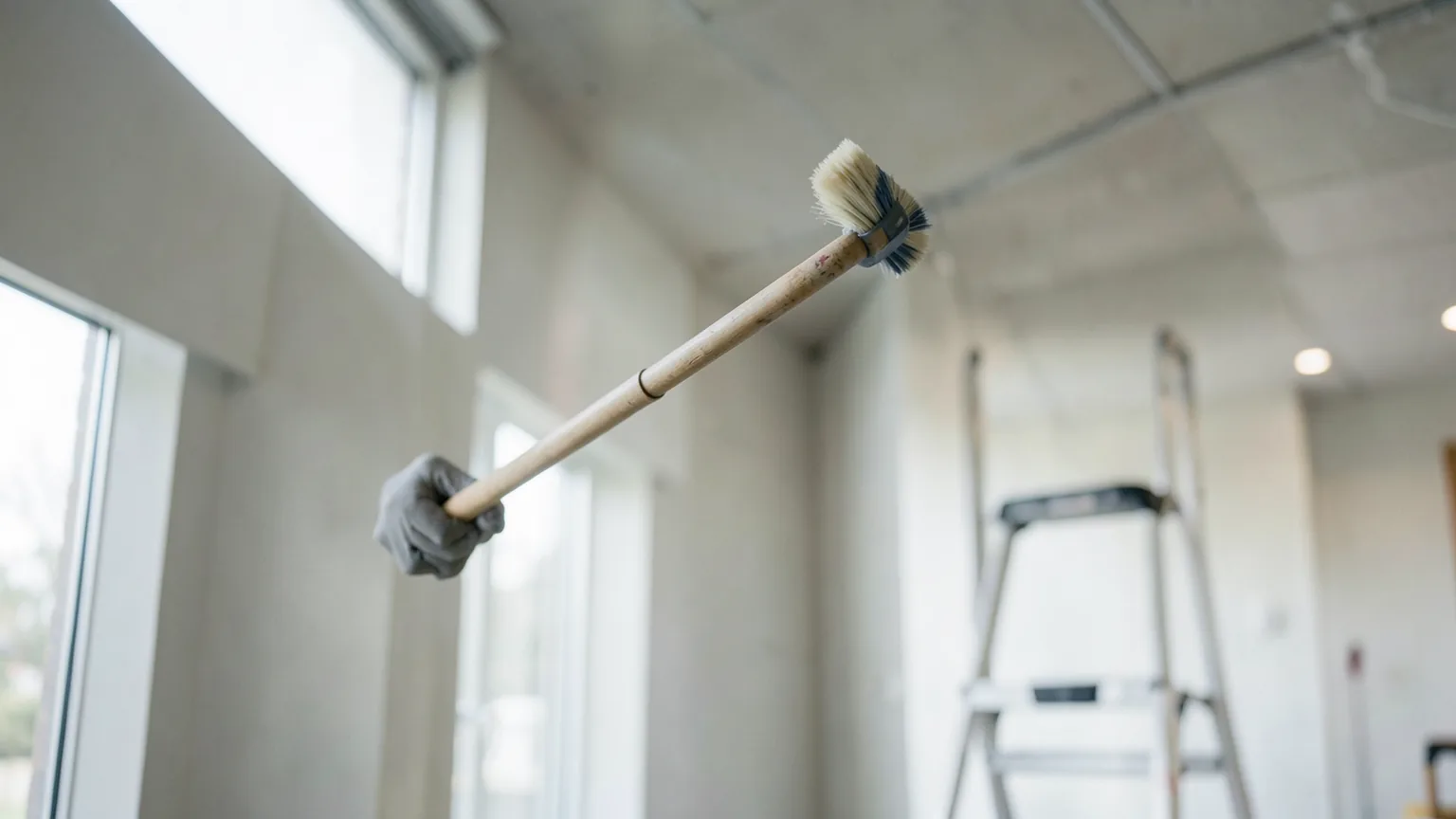
A deep clean goes beyond the daily and weekly tasks. The HSE's cleaning pages list work at height among the common risks in the trade, and deep cleaning often involves exactly that work. It normally includes the high areas that are not reached in a regular visit, such as the tops of doors, light fittings, air vents, cornices and the tops of partitions. It can also include detailed cleaning of the inside of cupboards, behind equipment, under desks and along skirting boards. In kitchens and washrooms it may include descaling taps and showers, cleaning extract hoods and grease traps, and lifting dirt from grout and tile joints.
Floors often get specialist attention. A deep clean can include scrubbing and polishing hard floors, extracting carpets and upholstery, stripping and resealing vinyl or lino, and treating stone surfaces with a product suited to the material. Windows, both internal and external, may be cleaned, depending on the access available. Each of these tasks has its own method and equipment, so the scope should list them one by one.
The specification for a deep clean should be as detailed as the routine schedule. It should name the areas, the tasks, the method and the standard. A deep clean described as "clean the whole office thoroughly" cannot be priced and cannot be checked afterwards.
Why routine cleaning leaves a build-up
Routine cleaning is designed to keep a building in good order, not to reverse years of wear. A daily clean removes the dirt that lands on surfaces, but it does not remove the film that forms when grease and dust mix on a kitchen wall or the limescale that builds up in a washroom tap. These deposits are gradual and easy to overlook, and they become visible only after a long period. By the time they are obvious, they can be harder to remove and may require a stronger method.
Carpets are a good example. A carpet vacuumed every day still holds dust and fine particles in its base layer. Over time, those particles build up and the fibres look dull even though the surface appears clean. An extraction clean removes the deposit, restores the colour and extends the life of the carpet. Hard floors work in a similar way, with a film from floor polish and foot traffic that needs stripping before the surface can be properly cleaned.
Build-up also affects hygiene. A kitchen extract hood with a layer of grease is a fire risk, not only an appearance problem, and a deep clean can remove that layer before it causes harm. Washrooms with limescale in the drains and traps can smell, and a deep clean may identify a problem that routine cleaning would not reach.
Triggers such as moving in or after refurbishment
Some events make a deep clean worth arranging. Moving into a new office is one of the most common. Builders and decorators leave a fine dust over everything, and a post-construction clean removes it before staff arrive. A refurbishment has similar effects, with plaster dust, paint splashes and debris in hidden corners. A deep clean after works protects the furniture and the equipment and presents the space at its finest.
Other triggers include a change of tenant, a long period without cleaning, a flood or spillage, a seasonal change in use and an inspection by a client or an enforcement body. A school that prepares for a new term, a restaurant that reopens after closure and a warehouse that receives new stock may each need a deep clean for different reasons. The client should keep a list of these triggers so that the need for a deep clean is recognised when it arises.
Refurbishment brings particular considerations for older buildings. Historic premises can have delicate surfaces that need careful methods, and the advice in the guide on cleaning historic premises in Bristol applies to deep cleaning as well as to routine work. Where a building is listed, some cleaning and restoration methods may need consent, and the owner should check before work starts.
Chemicals and the health duties for a deep clean
A deep clean usually involves stronger chemicals and more equipment than a routine visit. Degreasers, descalers, stripping products and extraction solutions all carry hazards. The Control of Substances Hazardous to Health Regulations 2002 require the contractor to assess the risk from these substances before the work starts, and the assessment should cover the products used, the way they are applied and the protective equipment needed. The HSE's COSHH basics explain what the assessment involves.
The client should ask the contractor which products will be used during a deep clean, where the safety data sheets are kept and how the work will be ventilated. In a building that remains partly occupied, the contractor may need to close off areas or work outside working hours to keep people away from fumes and wet surfaces. These measures should be written into the method statement.
Planning a deep clean around opening hours
A deep clean is most efficiently done when the building is quiet. For an office, that often means evenings, weekends or a planned closure over a holiday period. Working outside normal hours allows the contractor to use larger equipment, to work without interruption and to let floors dry before staff return. The cost of out-of-hours work is usually higher, because of the access arrangements and the wages involved, so the client has to weigh it against the disruption of working during the day.
Where the building must stay open, the deep clean can be split into phases. The contractor might clean one floor or one zone at a time, so that the rest of the building remains available. Each phase should be planned with the building manager, and the phases should be timed to avoid the busiest parts of the week. A phased deep clean takes longer overall, but it causes less disruption and allows the client to see the results as the work progresses.
Scheduling also has to respect the building's other contractors. A deep clean that overlaps with painting, carpet fitting or electrical work can create conflicts, and the cleaner may have to wait or redo work that is damaged by the other trade. A joint plan with all contractors on the same calendar prevents these problems.
Routine or deep clean: the decision
The decision between routine cleaning and a deep clean is rarely either-or. A well-run building will have a routine contract for daily and weekly work and a periodic deep clean to address the build-up that routine work cannot reach. The periodic part is normally scheduled quarterly or annually, depending on the use of the building. A kitchen in a busy restaurant may need extraction cleaning every few months, while a quiet office may need a carpet extraction once a year.
When a client is unsure whether a deep clean is needed, a walk round the building with the cleaning contractor is the most practical test. The contractor can identify the areas where build-up is visible, estimate the time needed and suggest a schedule. The result can be priced as a separate quote, which keeps the routine contract clear. Before appointing a contractor for periodic work, the guide on vetting Bristol cleaners sets out the checks to make.
For buyers who want to arrange a deep clean, a request for a quote with the areas, the expected condition and the access arrangements gives the contractor what is needed to price the work. The guide on access and loading problems for cleaners in Bristol centre explains how building access affects the timing of a deep clean, and the commercial cleaning services overview describes the usual approach to periodic work.
Sources and further reading
- Cleaning: health and safety guidance for the sector (HSE)
- The Control of Substances Hazardous to Health Regulations 2002 (legislation.gov.uk)
- COSHH basics (HSE)